
Checking for a Warrant in Roanoke County
Start with the County Police outstanding-warrants PDF, then move to Virginia OCIS and finally the court that owns the case. Neither source closes the question alone. The PDF carries a date, and OCIS is a case-information search rather than a warrant register. So a blank result does not prove that no warrant exists. Gather the exact name from the summons first, plus a case number or hearing date if you have one. You can search your own record or help a relative with their consent. Then call the issuing clerk or Roanoke County Police Warrants to confirm the current status and the required next step.
- Review the County Police PDF and note its “as of” date. It lists name, sex, age, and warrant charge.
- Search OCIS by name, case number, or hearing date. Select Roanoke County and the likely court.
- Check GDC, Circuit, or JDR according to the case type. Each court keeps a separate docket.
- Call Police Warrants or the clerk if the online sources do not settle the question.
- Ask an attorney about a court appearance, bond, or recall before acting on an active warrant.
Roanoke County's Dated Warrant List
The County Police publish a warrant roster as a PDF labeled "Outstanding Warrants Lists as of 02/17/2026." It is a posted list. There is no live search form behind it. The Citizen Services page also carries a warrant link, though that page fails to load, so the direct PDF and the Warrants directory are the two official routes that work. Roanoke County gives little detail per entry. No case number, court, judge, bond, or current status appears on the list. A name match means nothing until Police Warrants or the issuing clerk confirms it. Stick with the county source rather than copying or reposting roster entries elsewhere. For case detail, the official state search directory offers the public case-information route that sits alongside the local list.
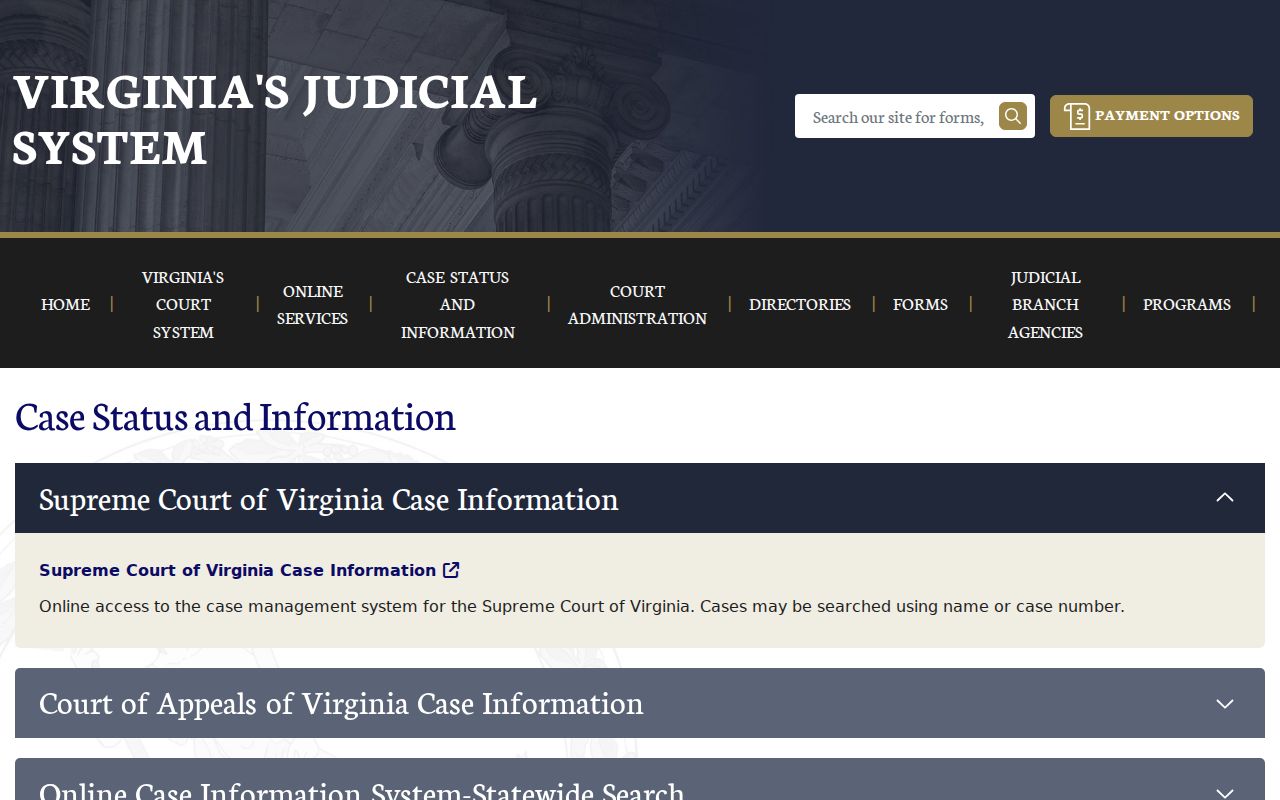
Finding a case and confirming a Roanoke County warrant are two separate tasks. Note the source and date of each result.
Roanoke County Warrant Types
Different courts issue different process. A sworn complaint plus a probable-cause review can produce an arrest warrant. Miss a court date, and the judge may issue a capias, a show-cause order, or other process instead. A search warrant authorizes a search and is not a self-check tool. Traffic turns on the exact charge, too. Virginia treats traffic infractions differently from other summons violations, so a missed traffic date in Roanoke County does not always mean an arrest warrant went out.
| Warrant Type | How It Arises | Who Issues It |
|---|---|---|
| Arrest warrant | Sworn facts support probable cause | Magistrate or authorized court officer |
| Bench / FTA process | Missed appearance or court duty | Court handling the case |
| Traffic warrant | Failure to comply with a summons or notice where law allows | General District Court |
| Search warrant | Order to search a described person, place, or item | Judge or magistrate |
| Capias | Court-directed process, including felony indictment process | Circuit or other issuing court |
Roanoke County's Traffic Court Volume
The Roanoke County GDC recorded 17,653 filings from January through August 2024. Traffic made up 12,142 of them. Those are caseload counts, not open-warrant totals. Still, they explain why a traffic matter belongs with GDC rather than with the County Police list. The same report counted 115 criminal capias filings and 73 traffic capias filings in that window. Filings again, not warrants active today. For a traffic case, use the local court and keep its case number.
Inside a Roanoke County Warrant Record
The County Police PDF gives you four columns: name, sex, age, and warrant charge. That is all. No warrant number, no issuing court, no bond, no judge, no status. OCIS fills in more for covered cases, adding court, case number, defendant, offense date, hearing date, charge, and Code section. GDC's case detail may list hearings and service information once entered. With the case number in hand, ask the clerk which entry is current. A charge label on a Roanoke County record never confirms that a warrant remains active.
| Warrant number | No warrant-number format appeared in the County PDF. |
|---|---|
| Name | The public PDF lists a name, but a name alone is not a unique match. |
| Charge | The PDF shows a warrant-charge label; OCIS shows a charge and Code section. |
| Court and case | OCIS can show a court and case number for covered matters. |
| Bond and status | Ask the clerk or Police Warrants. These fields were not visible in the public PDF. |
Three Roanoke County Offices, Three Roles
Three addresses, three jobs. Roanoke County Police Warrants runs the public list and answers warrant questions at 5925 Cove Road. The courthouse sits at 305 E. Main Street in Salem, where the Circuit, GDC, and JDR clerks each keep separate case records. The Sheriff, jail, and magistrate share 401 E. Main Street. Know which door you need. The magistrate is the around-the-clock contact for warrants and bail, not the everyday case clerk. The County Sheriff's office handles corrections, court security, and civil process, while County Police operates the public-facing warrant channel. One more thing before you go: the Circuit Clerk's page warns that cell phones, cameras, and laptops cannot come inside the courthouse. Check the court's security instructions and plan where to leave your devices. Virginia's public case-information system rounds this out with a statewide view of covered cases.
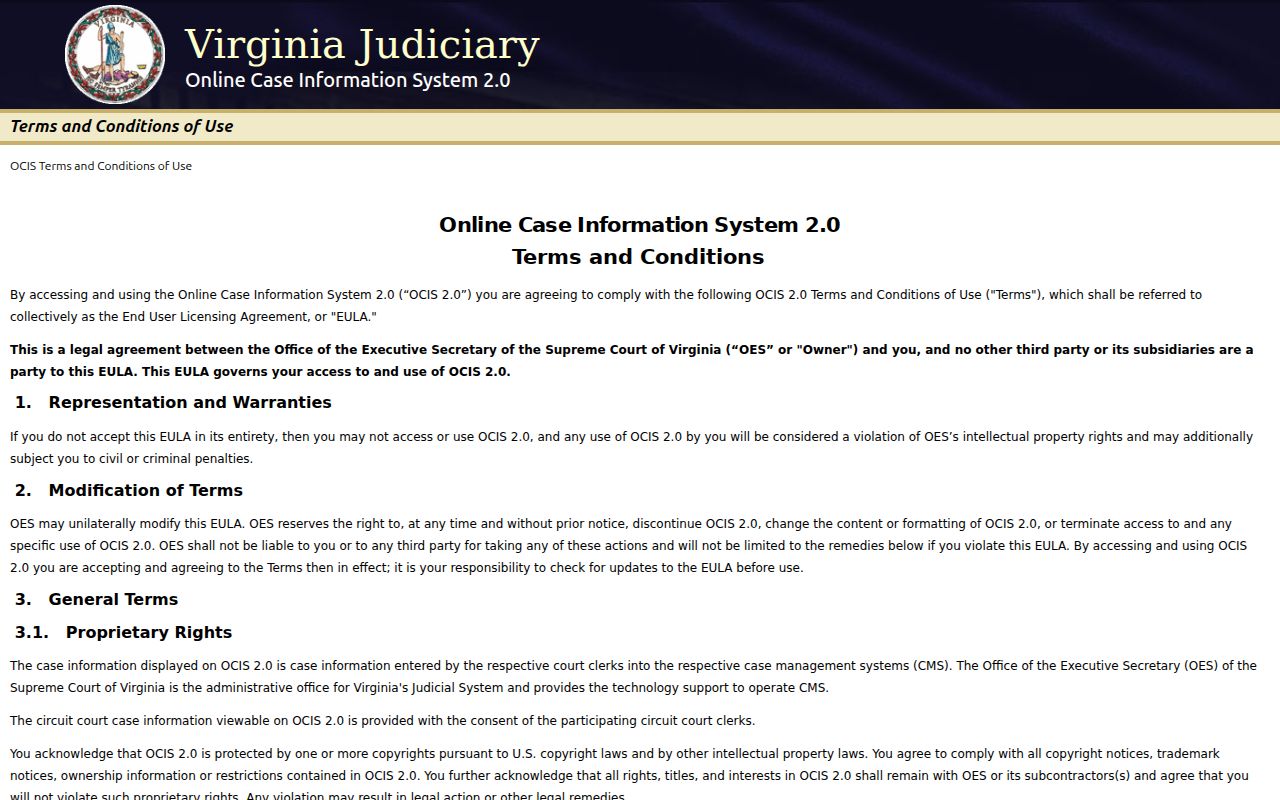
Use the court search to find the case, then contact the Roanoke County office that controls its status.
Issuing and Serving Warrants in Roanoke County
Virginia gives magistrates, judges, and authorized clerks the power to issue arrest process. Roanoke County Police, the Sheriff, or a town officer may then serve it. The direction depends on the warrant and the law. The issuing court keeps control of the case and any later recall. In Roanoke County, the Police Warrants office is listed apart from the Sheriff and the jail. Ask it about the public list or service; ask the court clerk about a docket or case file.
Roanoke County Police Warrants
5925 Cove Road
Roanoke, VA 24019
540-777-8617
How a Roanoke County Warrant Moves
Every Roanoke County warrant starts with a sworn complaint. A magistrate or authorized officer reviews it for probable cause. If the cause holds, the warrant goes to an officer for service. The officer returns it to a judicial officer, and the court then handles bail, the next appearance, and any request to recall process. Each stage may sit in a different record system. Virginia Code § 19.2-72 spells out the probable-cause standard and the details a warrant must carry. Section 19.2-76 governs execution and return. The County Police list shows only selected fields. After service or a court action, the issuing clerk holds the fullest case record.
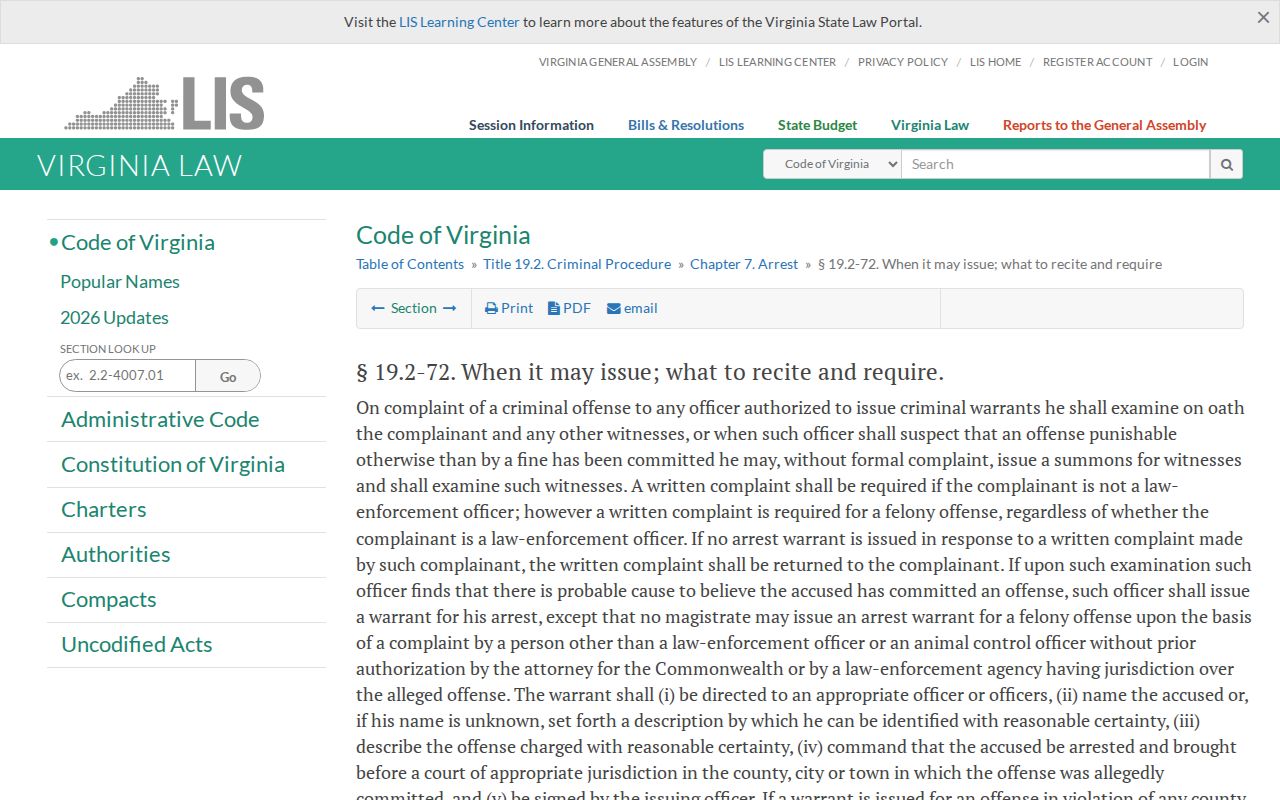
The statute describes process, not live status; for a Roanoke County warrant check, confirm the individual case with the court itself.
If You Have a Roanoke County Warrant
Pick up the phone before you walk into any building. Call Police Warrants and the issuing clerk, and ask for the court, the case number, the current status, any bond terms, and where you should report. What happens next depends on the case. One person needs a court appearance, another a new date, a payment plan, a motion to recall, or a planned surrender. Virginia permits secured and unsecured bond, but a judicial officer sets the actual terms. Roanoke County publishes no warrant bond schedule, no walk-in surrender form, and no bond-window hours, so confirm everything by phone first. Keep your receipts and court orders, and ask when the public status will update.
Important: Speak with an attorney before appearing in person; a voluntary visit can still lead to booking or custody.
Roanoke County FOIA for Existing Records
When the clerk or Police Warrants cannot hand over an existing record, Roanoke County takes public-record requests through its JustFOIA portal. Name the case or record with reasonable specificity, because Virginia FOIA does not make the County write a new report or answer a broad question. Once a request arrives, Roanoke County has three options: produce the records, cite an exemption, or report that no such records exist. Expect possible charges too. Search and copy costs are billed at actual rates, and staff can supply an estimate before any work starts. Some material stays off limits. Juvenile and investigative records may be withheld or redacted under the law. The County's request page explains JustFOIA and lists the accepted ways to submit, so describe the warrant or case record in enough detail for staff to identify it, and ask about fees up front.
Roanoke County PoliceView Warrant Limits
County Police moved its crime-report information to PoliceView on July 9, 2025. The County presents the application as a way to view local crime information. It carries no warrant fields and no warrant confirmation function. A dot on the map is not a substitute for the outstanding-warrant PDF or a case record straight from the court. PoliceView and the public warrant list come from different County channels. For a question about the list itself, call Police Warrants at 540-777-8617 during weekday office hours. After hours, the non-emergency number is 540-562-3265. The app should never decide whether a warrant exists or has been cleared.
The Police Department's 2024 annual report also notes that outstanding warrants are published online and points public inquiries to 540-562-3265. That report confirms the County Police role but gives no refresh schedule for the current PDF. The Warrants directory separately lists the unit's contact line and weekday hours.
Roanoke County Warrant Records and Public Access
Virginia FOIA covers existing public records held by state and local bodies, subject to specific exemptions. A court case file comes from the clerk who maintains it. A police record request goes to the County through its JustFOIA route. That office may redact or withhold juvenile, sealed, or investigative material. Be specific about the court, case, date, or record you want. Remember that the public PDF is a dated snapshot. The OCIS case search does not certify active warrant status. Ask the issuing office for the current answer on any Roanoke County warrant.
Key Rules:
Virginia FOIA, Code § 2.2-3700, presumes public records are open unless an exemption applies.
Code § 2.2-3704, sets request rules and a five-working-day response deadline.
Code § 16.1-301, protects many juvenile law-enforcement records from public inspection.
Roanoke County Warrant Scam Warning
The Roanoke County Sheriff warns that its office will never call demanding money over an outstanding warrant or missed jury duty. A caller pushing urgent payment is not delivering a court instruction. Hang up. Then check the claim using a number from the County's official directory. Do not send cash, gift cards, or payment details to anyone you did not call yourself. Police Warrants, the jail, and the issuing clerk each keep separate public numbers, so use the office named in the court record.
Vinton Warrants Use County Courts
Vinton is the one incorporated town in Roanoke County with its own police department. The Town says Roanoke County courts handle every town proceeding. Hearings happen at 305 E. Main Street in Salem. The parking-fine counter at 311 S. Pollard Street is not a warrant desk. Vinton Police handles town policing and local records. Traffic and ordinance cases still route through County GDC. The distinction matters, because a Vinton resident will find no separate municipal court to search.
Roanoke County Warrants by City
Roanoke County contains one incorporated town: Vinton, home to 8,059 people at the 2020 Census. Roanoke City and Salem are independent cities, not towns within the County. Unincorporated communities here have no city-court profiles of their own. Vinton runs a town police department. Its official site still routes court proceedings to Roanoke County, and its Police Services page gives the local contact and records route.
Vinton Warrant Search
2020 population 8,059 · Town Police; court matters go to Roanoke County.